
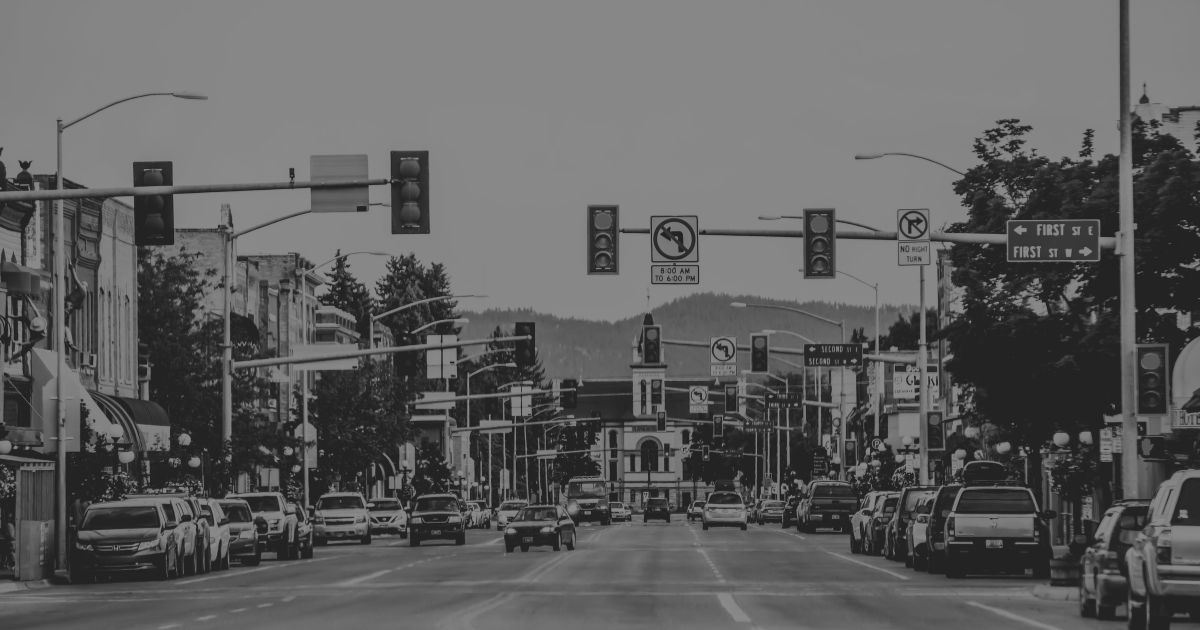
Montana's Senate race features four candidates on the November 3 ballot. Republican Kurt Alme and Democrat Alani Bankhead won their June 2 primaries; independent Seth Bodnar qualified via petition; and Kyle Austin won the Libertarian primary, though he was subsequently disavowed by the state Libertarian Party.
Steve Daines was first elected to the U.S. Senate in 2014 and re-elected in 2020. In March 2026, on the final day of candidate filing, he announced he wouldn't seek a third term—leaving Montana's senior Senate seat open for the first time in twelve years. The race that resulted is one of the most-watched federal contests in the country: an open Senate seat, a crowded multi-party primary, and an independent candidate who got on the November ballot by collecting signatures from more than 13,000 Montanans. There's one more piece of context worth knowing. Montana has roughly 785,000 registered voters, and the state has never asked any of them to declare a political party. Every registered Montana voter is, on paper, nonpartisan. That makes Montana one of the most genuinely independent electorates in the country—and one of the hardest for either national party to take for granted.
Whatever your politics, this is the kind of race that decides who Montana is for a generation.
Montana's primaries are settled: Kurt Alme won the Republican primary decisively, Alani Bankhead won the Democratic primary, and Seth Bodnar qualified for the November ballot as an independent after submitting more than double the required petition signatures. We track all three candidates in this open-seat race. We provide this information so independent voters can make an informed choice. Independent Center Voice does not endorse candidates. Information below is sourced from each candidate's public statements and campaign materials, and is provided in the same structure for everyone on the ballot.
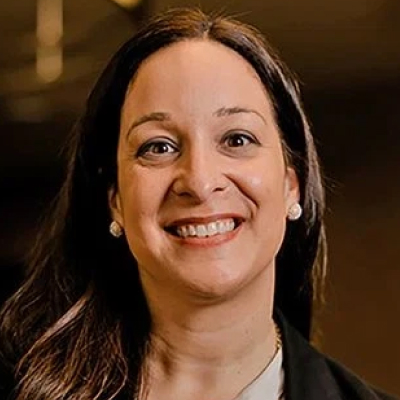
U.S. Air Force veteran with more than 21 years of service, including special operations and protective duty for senior Pentagon leadership; career background in digital child protection and combating online exploitation; won the 2026 Democratic primary
Democratic nominee for U.S. Senate, Montana, 2026
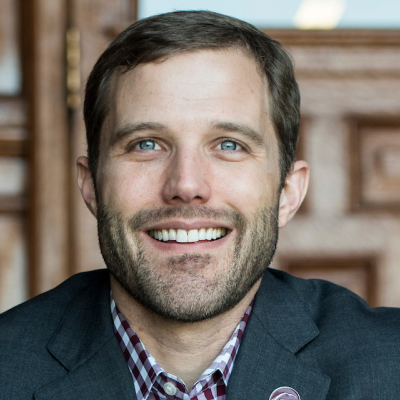
Former Green Beret; business leader; former president of the University of Montana; qualified for the November ballot with more than double the required petition signatures; endorsed by former Democratic Senator Jon Tester
First-time candidate, 2026

Billings pharmacist and founder of Pharm406, a pharmacy business operating in Billings and Butte; grew up on a farm near Havre. Won the Libertarian primary on June 2 but was subsequently disavowed by the Montana Libertarian Party, which said he was not ideologically aligned with libertarian principles. Previously ran twice for Montana's eastern U.S. House seat as a Republican.
Montana's 2nd Congressional District Republican primary, 2022 (lost); 2024 (lost)

Montana native; U.S. Attorney for Montana (2017 and again from 2025); former Director of the Montana Department of Revenue; former Budget Director for Governor Gianforte; Harvard Law graduate; won the 2026 Republican primary
Republican nominee for U.S. Senate, Montana, 2026
The list below combines what Montana voters say matters most—drawn from the voter file and Montana-specific sentiment tracking—and the issues the next U.S. Senator from Montana will be voting on. We don't tell you what to think about them. We do tell you they matter.
Montana has one of the highest per-capita veteran populations in the country. VA access, military family support, and the federal government's posture on national security all carry weight here in ways they don't in most other states.
From large-scale AI data centers consuming Montana water and power, to out-of-state real estate investors reshaping local housing markets, to corporate concentration in agriculture—Montana voters across the spectrum say accountability to people who live here is the issue.
Term limits, a ban on congressional stock trading, and tighter ethics rules for federal officeholders all poll at record highs in Montana. Some 2026 candidates have made political reform central to their pitch. Others haven't mentioned it.
Roughly 90% of Montana cross-partisan sentiment is built on a shared commitment to public lands and outdoor recreation. The corner-crossing debate is now in federal court and could land in front of the next Congress.
The third-most-flagged issue in the Montana voter file, crossing every demographic in the state. From property taxes to grocery prices to heating a home through a Montana winter, affordability is what voters bring up first.
The top-flagged issue in the Montana voter file—more than a third of voters carry one or both immigration flags. Federal immigration policy and border enforcement are squarely on the Senate's docket.
Montana doesn't ask voters to register with a political party. It never has. Every registered Montana voter, by definition, is nonpartisan.
That's not a quirk of paperwork—it's a reflection of how Montana has always seen itself. The state was founded in part by people who'd had enough of being told what to think by political machines back east. A century later, that independent streak still shapes how Montanans vote: split tickets, surprise upsets, and a willingness to send governors of one party and senators of another to do the work. That streak shows up in the data, too. In Montana sentiment tracking across the political spectrum, 90% of voters share a deep commitment to the state's outdoor heritage. 70% agree that public land access matters more than corporate property barriers. Left, center, and right Montanans disagree about plenty—but they share more common ground than national politics would suggest. Independent Center Voice exists to make sure that ground is recognized. We track voting-system reforms across the country. We educate independent voters about their options. And we push for the structural reforms—open primaries, congressional accountability, transparent campaign finance—that put unaffiliated voters back at the center of American democracy.
Get our Montana Senate election updates, 2026 polling, and reform news—by email and (optionally) by text.
.jpg)