
The Independent Center is working to empower independent voters in the 2026 primary season by advocating for structural reform, providing voter education, and countering legal challenges from major parties attempting to limit electoral competition.
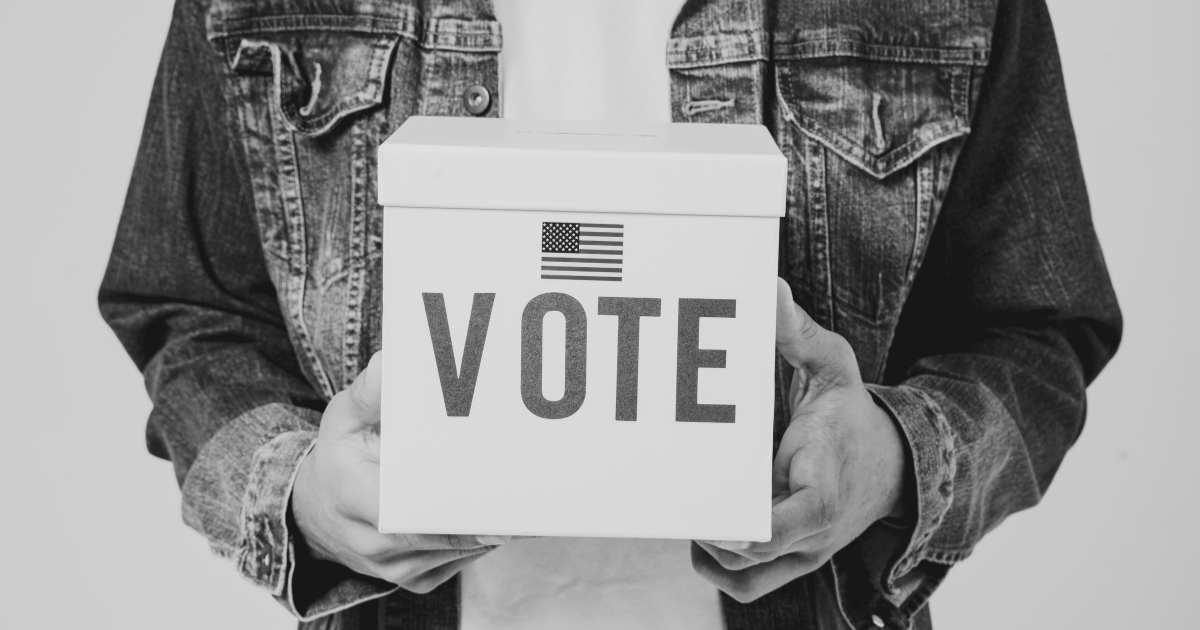
For decades, the American primary was a members-only club. Pick a party, vote in their contest, and if you called yourself independent — like one in three Americans do — you waited for November and hoped for the best.
That’s changing. And the political establishment is doing everything it can to stop it.
The 2026 primary season has made one thing unmistakably clear: independent voters aren't content to be a general election afterthought anymore. They’re demanding a seat at the table from day one. The Independent Center is here to make sure they get it.
New Mexico ran its first semi-open primary this cycle. Unaffiliated voters — roughly 23% of the electorate — could request a major party ballot and actually shape who makes it to November. Participation surged. The system worked.
But the state government barely told anyone about it. Voter education was so inadequate that NGOs had to step in and run their own outreach campaigns to inform unaffiliated New Mexicans that they even had new rights.
This is the gap The Independent Center exists to fill. Structural reform without civic education is a door that opens and immediately gets stuck. We’re here to push it all the way through.
In Illinois, Republican gubernatorial nominee Darren Bailey moved to block independent candidate Collin Corbett from the general election ballot by challenging his petition signatures. In California’s newly redistricted 6th District, party-switchers running outside the duopoly are threatening to upend traditional partisan math — and the parties are watching closely.
This is what a threatened monopoly looks like. When independents become viable, the establishment reaches for its legal team.
We should call this what it is: an anti-democratic effort to protect market share. The two major parties are using ballot access law as a weapon — not to protect election integrity, but to eliminate competition. We’re tracking these legal challenges in real time, building the counter-narrative, and supporting the candidates and voters on the receiving end.
Here’s what both parties already understand and won’t say publicly: you cannot win a competitive race without independent voters. Iowa’s Senate contest between Josh Turek and Ashley Hinson will be decided by unaffiliated voters. So will dozens of other races this November.
Semi-open primaries accelerate this reality. When independents participate in primaries, candidates can’t play exclusively to their base through June and then pivot in September. The coalition-building has to start earlier. The moderation gets baked in. That’s not a bug — it’s the entire point.
This is why primary reform isn’t a procedural tweak. It’s a structural intervention in how American democracy produces candidates. And it works.
The Independent Center Voice is engaged on every front this primary season represents:
We’re pushing for voter education in states adopting new semi-open primary rules, so that expanded access actually translates into expanded participation.
We’re monitoring ballot access litigation across the country — because independent candidates winning the right to compete is meaningless if parties can litigate them off the ballot before a single vote is cast.
We’re supporting independent candidates in competitive districts who are proving that you don’t need a party label to build a winning coalition — including races in Iowa, California, Alaska, Montana, and Illinois.
And we’re building the research and messaging infrastructure to counter the narrative that independent voters are spoilers, when in fact they’re the only voters both parties are actually competing for.
Independent voters reshaping primaries isn’t a trend piece. It’s a structural shift that’s been building for a generation and is now impossible to ignore. The question isn’t whether independents will matter in 2026. They already do.
The question is whether the infrastructure exists to protect their access, amplify their voice, and hold accountable the political actors who would rather lock them out than compete for their votes.
That’s the work. Join us.