
Nebraska's 1st District will have at least three candidates on the November 3 ballot: Republican incumbent Mike Flood, Democrat Chris Backemeyer, and Libertarian Nik Sandman. Independent Austin Ahlman is also in the race and needs 2,000 signatures by August 3 to qualify.
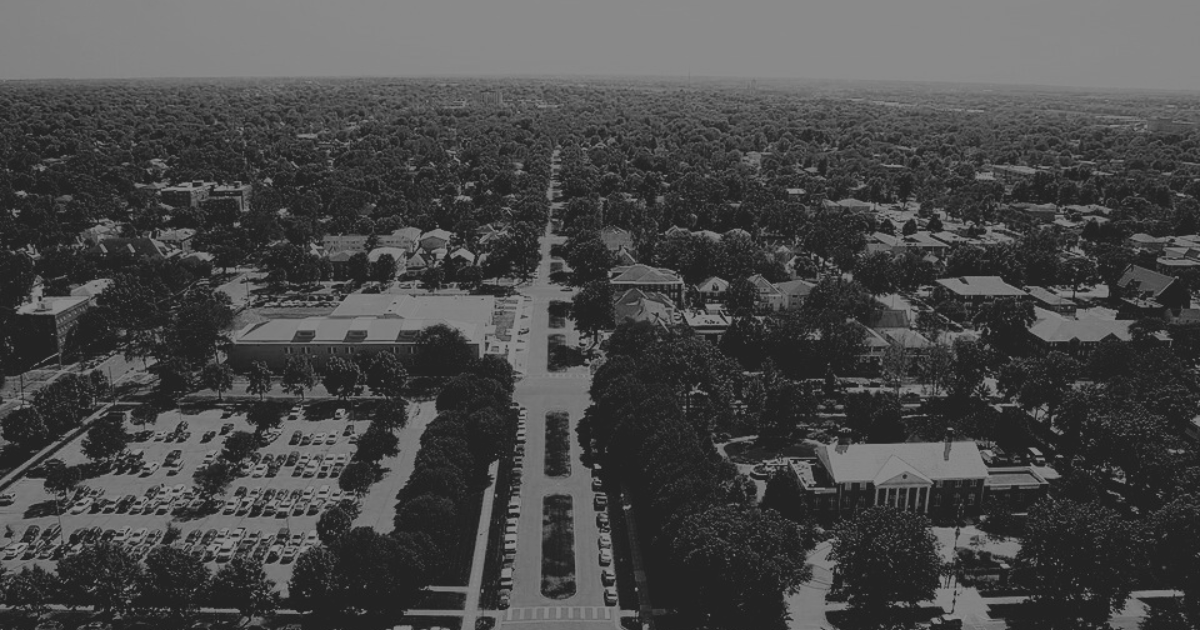
Nebraska's 1st Congressional District covers a large slice of eastern Nebraska—including Lincoln, Norfolk, Fremont, Columbus, and the rural communities between them. It does not include Omaha, which is its own congressional district (NE-02). The district has been represented by Republican Mike Flood since 2022. Donald Trump carried it by roughly 13 points in 2024, which makes NE-01 one of the more solidly Republican districts on this 2026 ballot. That doesn't mean the race is settled. In Nebraska's 2024 Senate election, independent Dan Osborn—running as a working-class populist against Republican Sen. Deb Fischer—actually carried the 1st District. This year, both the Senate race and the NE-01 House race are being watched as tests of whether that pattern repeats and whether independent challengers can compete in deeply Republican territory.
A Republican-leaning district doesn't mean a foregone race. It means a race that will be decided by which candidate's pitch lands hardest with the voters in this district who are open to being persuaded—and there are more of them than the partisan lean suggests.
We track every candidate who has officially declared or qualified for Nebraska's 1st Congressional District in the 2026 cycle. We provide this information so voters can make an informed choice. Independent Center Voice does not endorse candidates. Information below is sourced from each candidate's public statements and campaign materials.
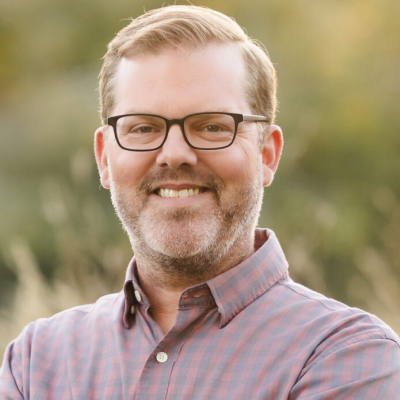
Former deputy assistant secretary of state for the Middle East and senior State Department negotiator; won the May 12 Democratic primary over renewable energy advocate Eric Moyer. Holds a master's degree in international relations and a bachelor's degree in finance.
Iowa's 1st Congressional District Democratic primary, 2026 (won)

Progressive journalist and Norfolk, Nebraska native who covered the 2024 Nebraska U.S. Senate race and the 2026 NE-02 House race for The American Prospect. Moved back to Nebraska from Washington, D.C. to help with his father's cancer treatment. Needs 2,000 signatures from 1st District voters by August 3 to appear on the November ballot; as of mid-June had surpassed 1,000 and was targeting 3,000–4,000.
First-time candidate, 2026
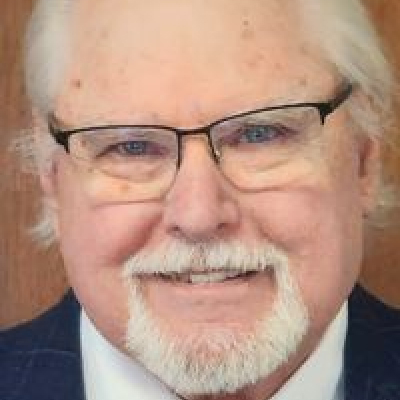
Retired farmer and rural mail carrier from Lincoln; formerly farmed for 26 years in Wauneta, Nebraska and carried mail for approximately 15 years. Holds a bachelor's degree in philosophy from the University of Nebraska-Lincoln. Won the Libertarian primary on May 12 unopposed.
First-time candidate, 2026
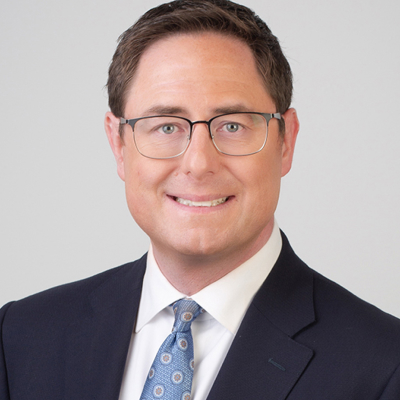
Incumbent U.S. Representative for Nebraska's 1st Congressional District since July 2022; attorney and broadcaster who owns News Channel Nebraska, the state's only 24-hour news network. Previously served two stints in the Nebraska Legislature representing the 19th district, including as Speaker from 2007 to 2013. Raised in Norfolk, Nebraska; holds a B.A. from the University of Notre Dame and a J.D. from the University of Nebraska.
Nebraska Legislature District 19, 2004 (won); 2008 (won); 2020 (won); Nebraska's 1st Congressional District special election, 2022 (won); 2022 general (won); 2024 (won)
The list below combines what NE-01 voters say matters most—drawn from voter file data and Nebraska sentiment tracking—and the issues the next U.S. Representative from NE-01 will be voting on. We don't tell you what to think about them. We do tell you they matter.
Foreign policy issues—particularly the Iran War—are landing locally in NE-01 because of their impact on fertilizer prices, fuel costs, and farm inputs. Decisions about military spending aren't abstract here.
Roughly a quarter of NE-01 voters carry the Second Amendment flag—the highest share of any district in our 2026 tracking. Nebraska sentiment tracking also shows ~70% cross-partisan support for limits on automated mass surveillance.
A ban on congressional stock trading, restrictions on corporate donations, and tighter ethics rules poll at high levels across every demographic. Some 2026 candidates have made these reforms central. Others haven't mentioned them.
Hospital consolidation, prescription drug pricing, and access to care in rural Nebraska all sit on the federal docket. Each candidate has a position.
From grocery prices and farm input costs to housing and gas, affordability is the lived experience of nearly every household in NE-01. Whether the answer involves breaking up corporate concentration is one of the most consequential debates the next Congress will engage with.
Together the two top-flagged issues in NE-01—immigration reform at 39%, border security at 38.5%. Well over three in four voters carry one or both flags.
Roughly 54% of NE-01 voters are classified as persuadable in 2026—including 44% who are registered Republicans, 25% who are registered Democrats, and 31% who are registered with no party.
That's not a fringe pattern. It's the majority of the district. The Junction AI voter file shows about 225,000 persuadable voters out of approximately 418,000 registered—including more registered Republicans than Democrats and Independents combined. Persuadability in NE-01 is not the property of any one party. That fits the cross-partisan signals coming out of Nebraska sentiment tracking. Voters across the spectrum share more common ground than national politics would suggest: shared concern about corporate concentration in food, agriculture, and housing; shared frustration with political establishments in both parties; shared appetite for reforms to congressional accountability; and shared distrust of mass surveillance regardless of who is operating it. Independent Center Voice exists to make sure those voters have a clear picture of what's on their 2026 ballot. We don't tell anyone how to vote. We make sure the information is there.
Get our NE-01 election updates, 2026 polling, and reform news—by email and (optionally) by text.